
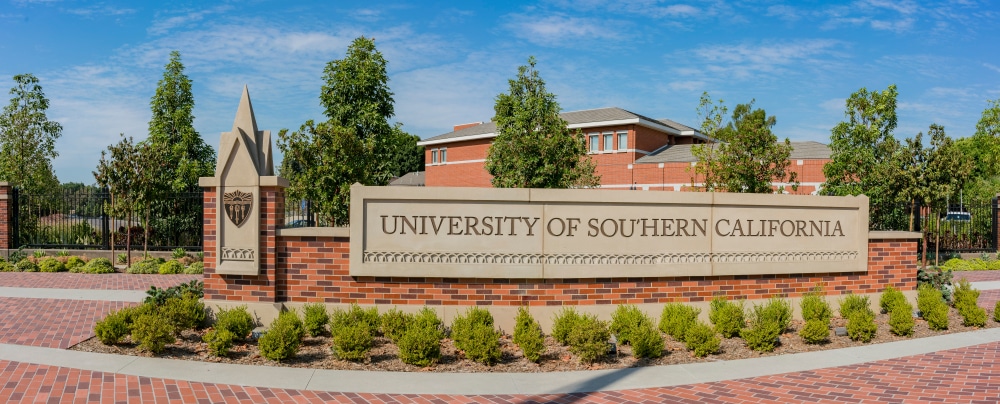
Recently, the Maxta team engaged in discussions with engineering and intelligent manufacturing researchers at a Southern California university, exploring the system forms and evolutionary pathways of engineering-driven AI in real industrial environments. Within complex production systems, conversations around AI are gradually extending beyond isolated model capabilities toward a broader alignment between system architecture and engineering logic. While algorithms can continue to improve through iteration, their practical value often depends on whether the surrounding system can operate reliably and integrate seamlessly into established workflows.
In engineering contexts, data, equipment, and processes form tightly coupled structures. Technological capability detached from this structure is unlikely to create lasting impact. As a result, deployment models, resource scheduling mechanisms, and operational stability become central considerations. Compared with stage-based experimental outcomes, sustained operational capacity and engineering adaptability carry greater practical significance. Once AI becomes part of a production system, architectural design and governance frameworks directly influence efficiency and risk management.
The exchange also highlighted that engineering-driven AI increasingly resembles a systems engineering challenge rather than a purely algorithmic one. Technological pathways must align with industrial logic, balancing performance improvement with maintainability and scalability. From a broader perspective, AI in industrial settings reflects a structural trend in which algorithmic innovation and system capability advance in parallel. In real-world environments, stable and sustainable system architectures may hold greater long-term value than isolated performance breakthroughs.