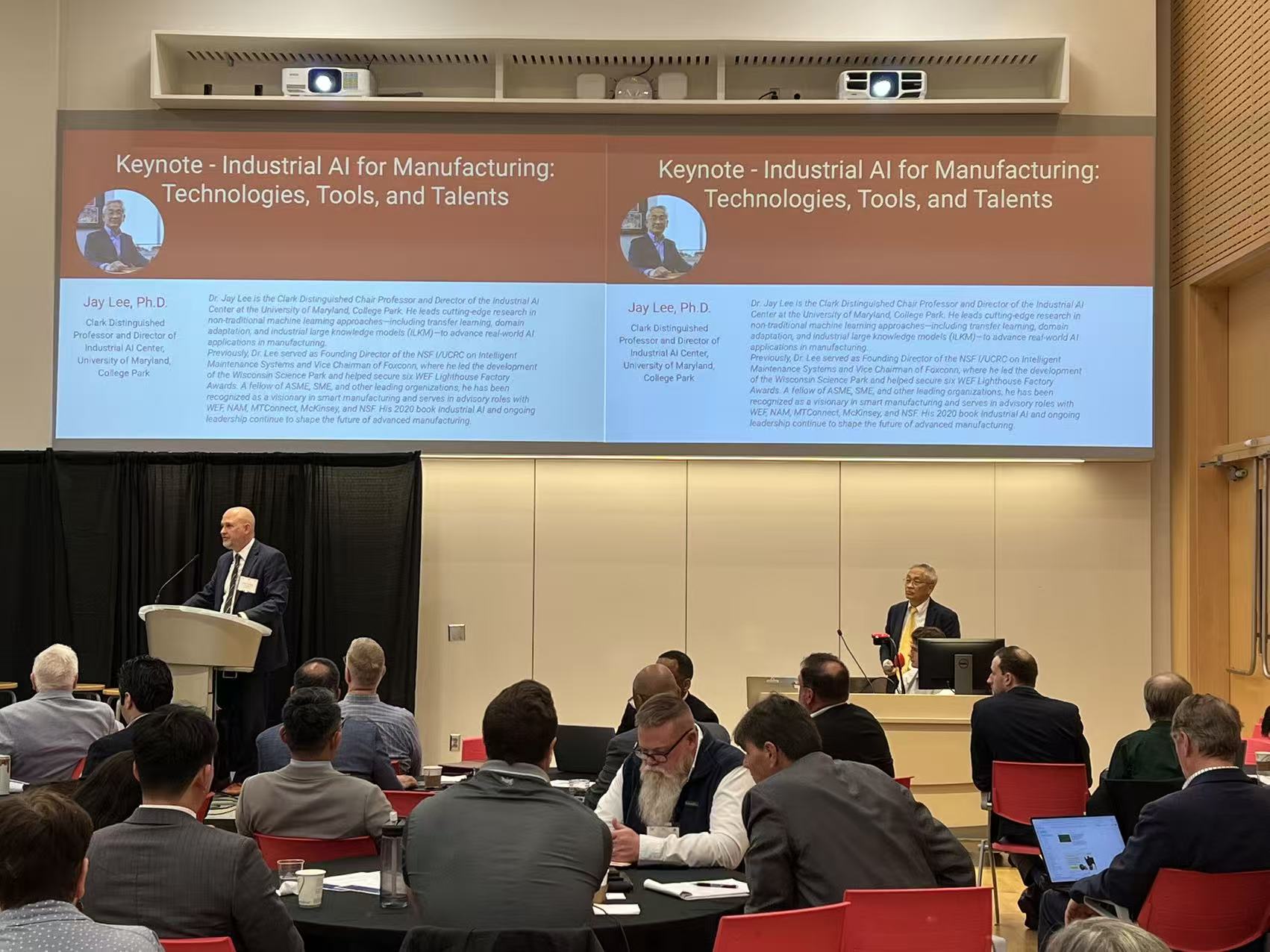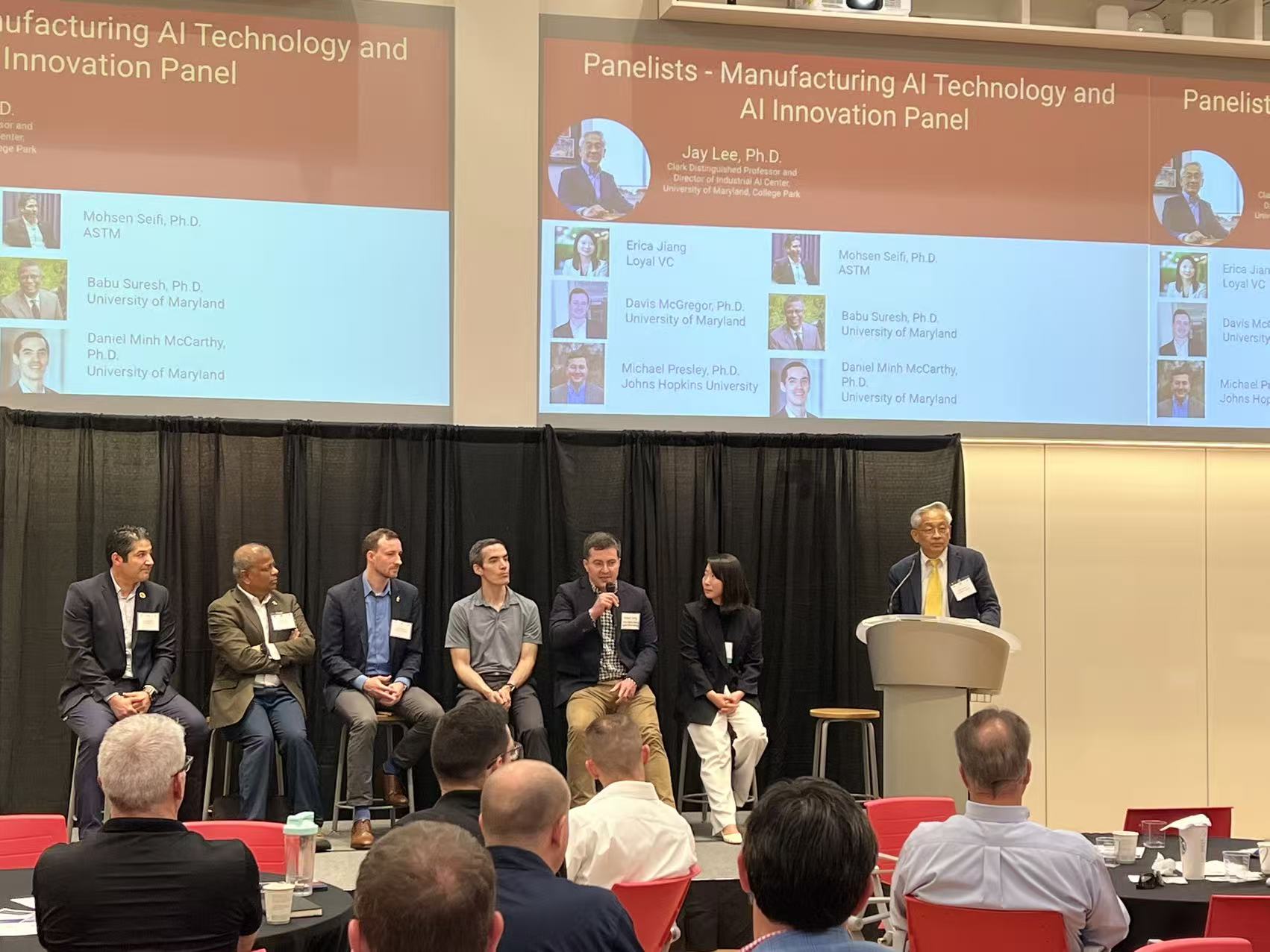
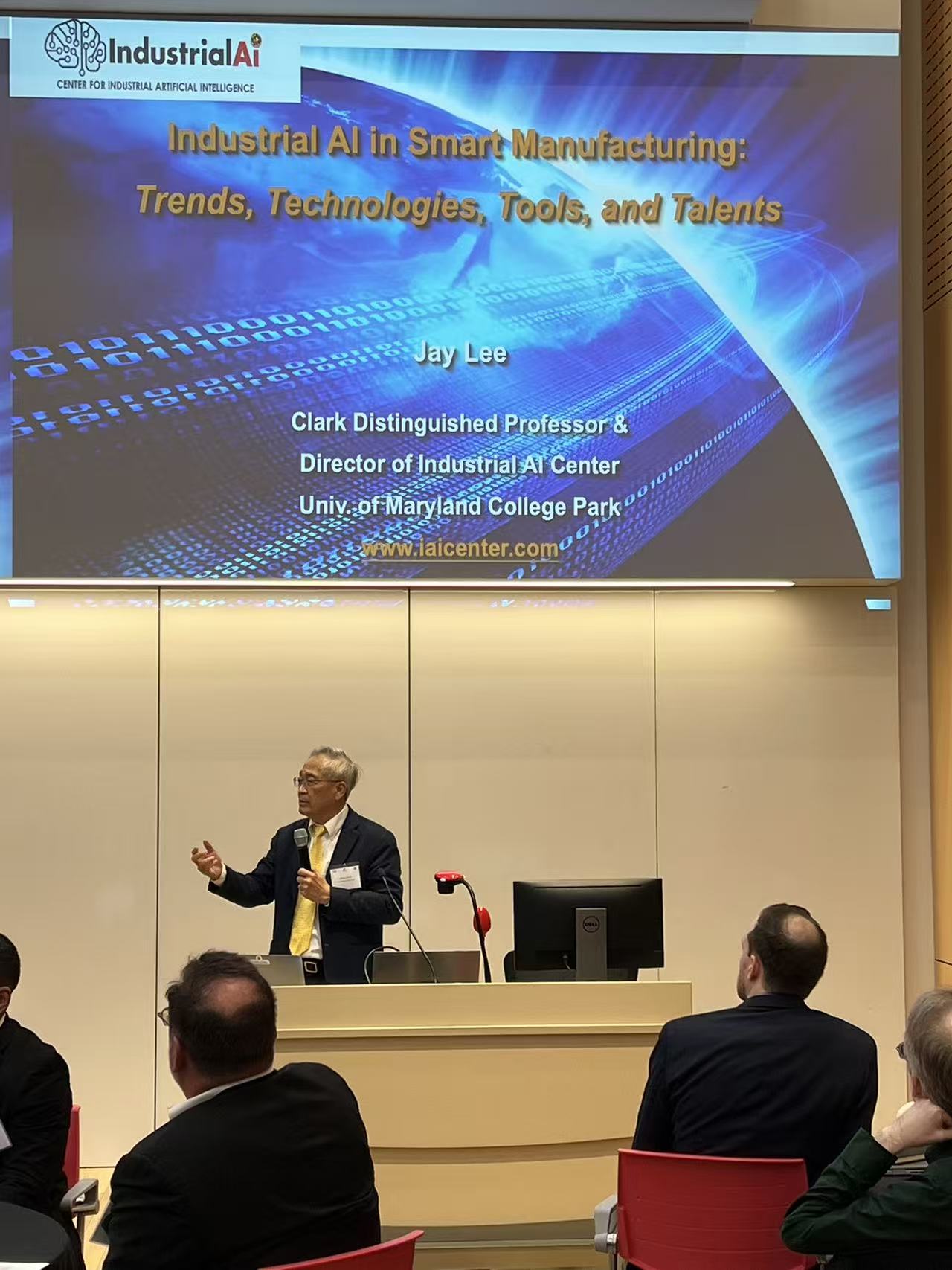
At the May 5 AI for Smart Manufacturing Productivity Forum, Professor Jay Lee delivered a keynote on SoX, Industrial AI, talent development, and the future of smart manufacturing.
His remarks highlighted an important direction for the next stage of manufacturing intelligence: the ability to understand not only what is visible in industrial operations, but also what remains invisible. In manufacturing, visible data may include production output, equipment status, quality results, energy consumption, and process parameters. Invisible data may include early risk signals, quality fluctuations, anomaly patterns, efficiency losses, and hidden system behaviors that are not always immediately measurable.
Professor Lee’s discussion of SoX builds on the broader concept of Stream-of-X, extending the idea of continuous intelligence beyond a single manufacturing variable. While SoQ, or Stream of Quality, focuses on quality as a continuous signal across the production process, SoX expands this thinking to a wider range of industrial dimensions, including quality, risk, efficiency, cost, energy, and process variation.
The forum also provided insight into the research directions of The Industrial AI Center, including domain adaptation, transfer learning, large language models, and SoX machine learning. These areas reflect the growing need for Industrial AI systems that can adapt to real-world manufacturing environments, learn from limited or changing data, and support decision-making across complex industrial operations.
Another important theme of Professor Lee’s keynote was talent development. As Industrial AI moves from research concepts to real-world deployment, the manufacturing sector will need a new generation of talent that understands both industrial systems and AI technologies. Building this talent pipeline will be essential for helping manufacturers adopt AI effectively, responsibly, and sustainably.
Professor Lee’s vision points to a future where Industrial AI is not only about algorithms or automation. It is about transforming fragmented manufacturing data into continuous, real-time, and trustworthy intelligence. By understanding both the visible and invisible dimensions of industrial operations, manufacturers can better predict risks, optimize processes, improve productivity, and create long-term operational value.