
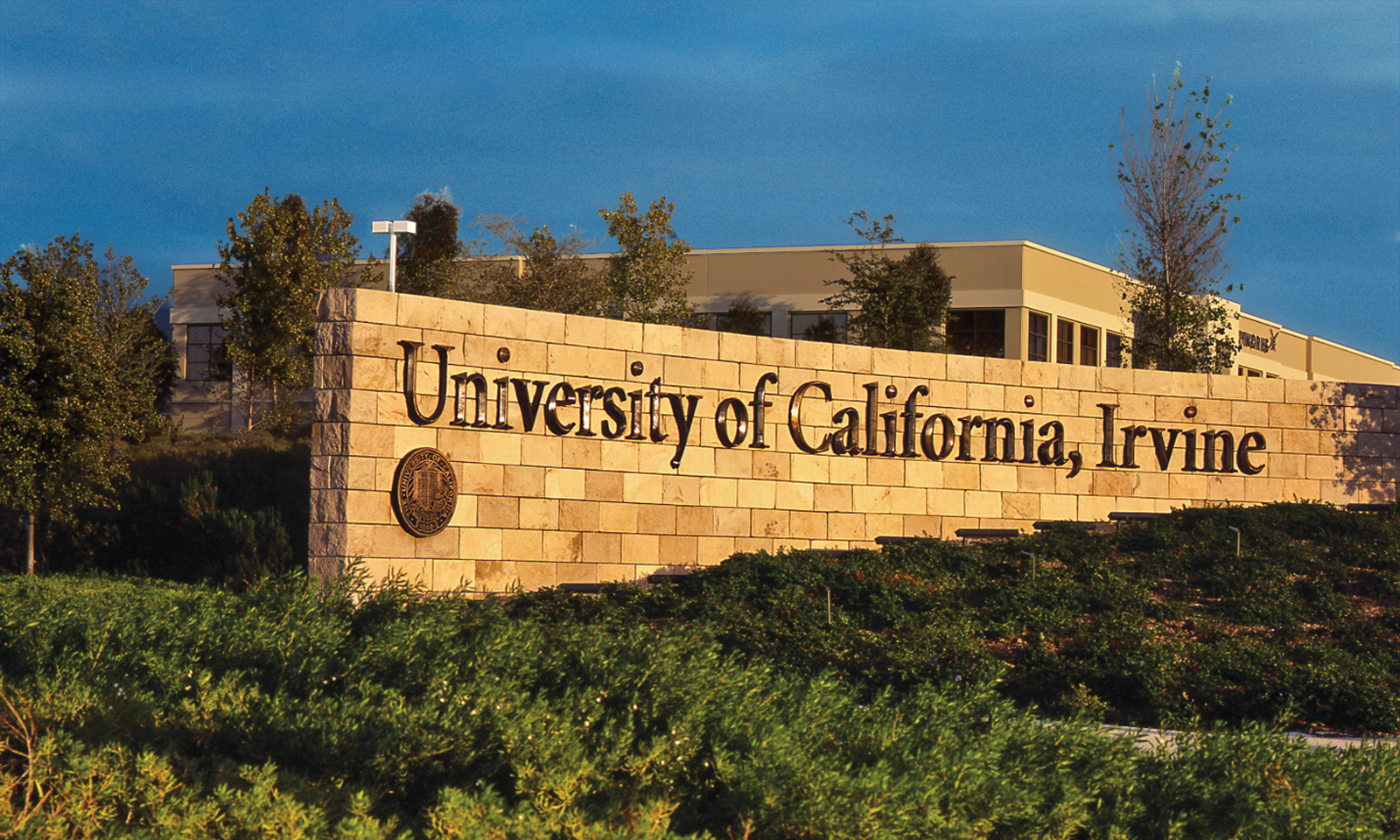
Recently, the Maxta team visited the University of California, Irvine (UCI) to exchange perspectives on the system structures and evolutionary pathways of data-driven AI in real-world environments. In data-centric computing contexts, conversations are gradually shifting from isolated model capability toward deeper structural considerations. While algorithmic performance can improve through continuous optimization, its practical impact often depends on data organization, architectural design, and the coordination of computational resources.
Within complex data ecosystems, sources vary, structures differ, and update cycles are uneven. These factors directly influence overall system behavior. The discussion emphasized that as data scale expands, organizational capacity and architectural scalability at the system level become decisive variables. Technological pathways detached from stable data management and architectural foundations rarely translate into sustainable capability. Compared with stage-based experimental results, the alignment between data structures and system design holds greater long-term significance.
The exchange also examined the relationship between data management logic and operational mechanisms. In practical environments, data is not merely input for models but part of the foundational structure that shapes system behavior. Balancing efficiency with consistency and maintainability remains a core challenge in system design. Resource orchestration, storage-compute coordination, and expansion strategies all affect long-term operational stability.
From a broader perspective, the evolution of data-driven AI reflects a structural trend in which algorithmic advancement and system capability progress in parallel. Data governance and model optimization increasingly reinforce one another. In real-world settings, stable and scalable architectures may carry greater long-term value than isolated performance breakthroughs. The exchange provided a measured perspective on these structural considerations.